Tourism
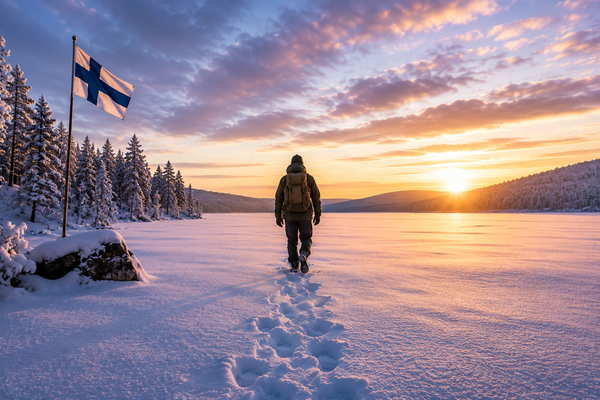
The Importance of "Sisu" in Finnish Culture: The Quiet Strength That Defines a Nation
Sisu has no exact English equivalent. It combines determination, courage, resilience, perseverance, and inner strength into a single concept.

Tourism
Sisu has no exact English equivalent. It combines determination, courage, resilience, perseverance, and inner strength into a single concept.
Tourism
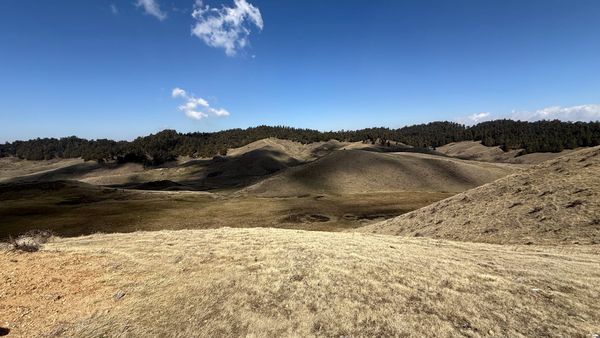
A scenic road journey from Bharatpur to Dadeldhura via Lumbini, Nepalgunj, and Attariya reveals Nepal’s diversity—spiritual heritage, fertile plains, bustling border cities, and serene hills—offering travelers a complete cultural and geographical experience in one route.

Tourism
Nestled in the heart of lush greenery, our resort offers a serene escape where you can enjoy authentic Nepali cuisine, comfortable accommodations, and vibrant cultural experiences.
Tourism
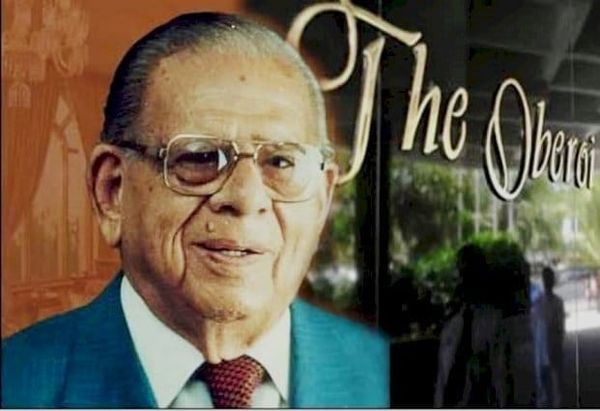
Working at The Cecil Hotel introduced Oberoi to the complex world of hotel operations. During the colonial era, most prestigious hotels in India were managed by British owners.

Tourism
One of the most remote and beautiful trekking routes in Nepal. Offers stunning Himalayan landscapes, glaciers, and cultural villages.

Tourism
Both government and private institutions could allocate a fixed tourism allowance to employees once a year, specifically designated for internal travel within the country.
Tourism
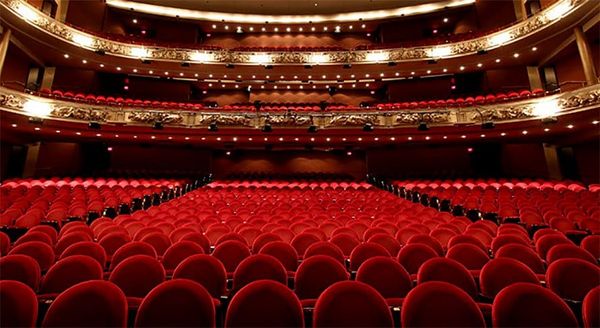
Hotels and venues must also prioritize safety and health. 24/7 on-site medical assistance, emergency protocols, and clear communication systems create a sense of security.

Tourism
The Missing Connection Between Colleges, Hotels, and Community-Based Tourism
Tourism
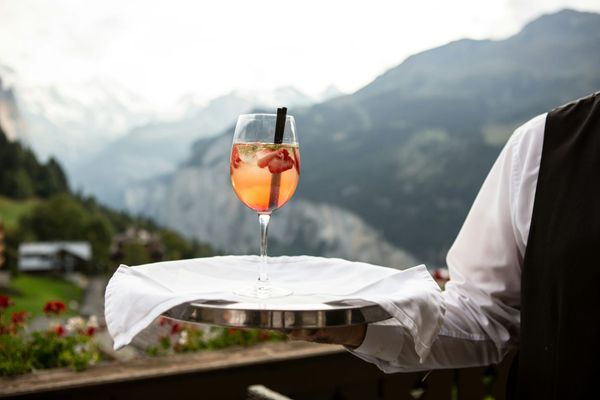
Communication is the backbone of hospitality. A hotel professional speaks with guests, colleagues, managers, suppliers, and sometimes international visitors. Miscommunication creates confusion, and confusion affects service quality.

Tourism
Eastern Nepal is a paradise for food lovers. The diversity of communities Rai, Limbu, Gurung, Tharu, Madhesi, and others has created a rich and vibrant food culture. From smoky sekuwa to sweet peda, from spicy chatpate to comforting thukpa, every dish tells a story.
Tourism
Satkar Hotel and Tourism School is not just another academic institution-it is a professional training ground where students are prepared to step confidently into hotels, resorts, airlines, restaurants, and tourism industries both in Nepal and abroad.
Tourism
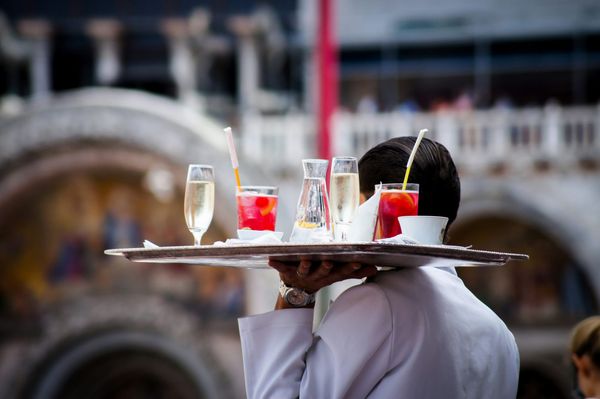
Leadership within the industry must recognize that fair compensation is not merely an expense, it is an investment in stability and loyalty. When employees feel valued financially, they deliver service with pride and long-term commitment.